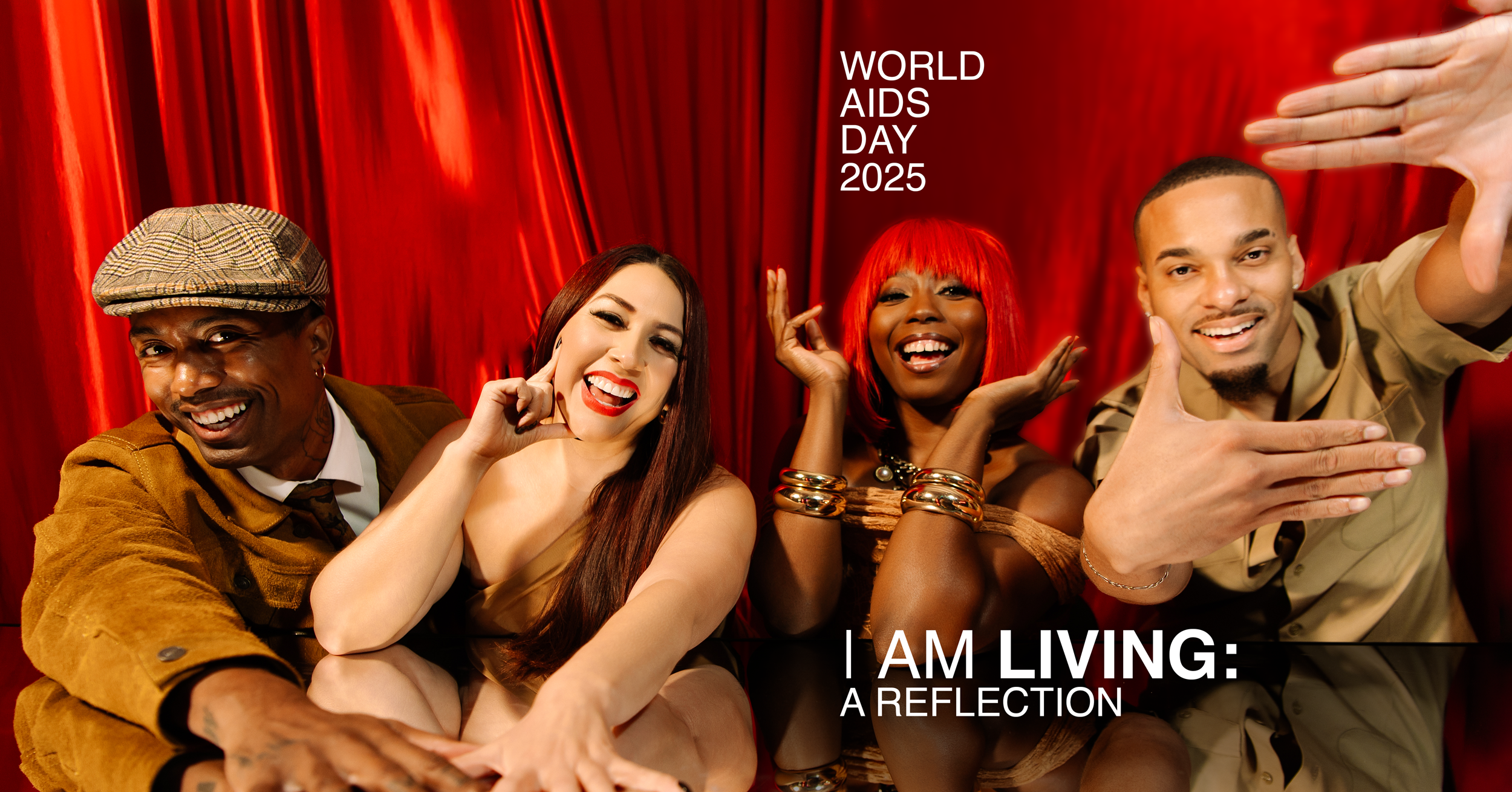
By Jazimar Jones
December 1, 2025
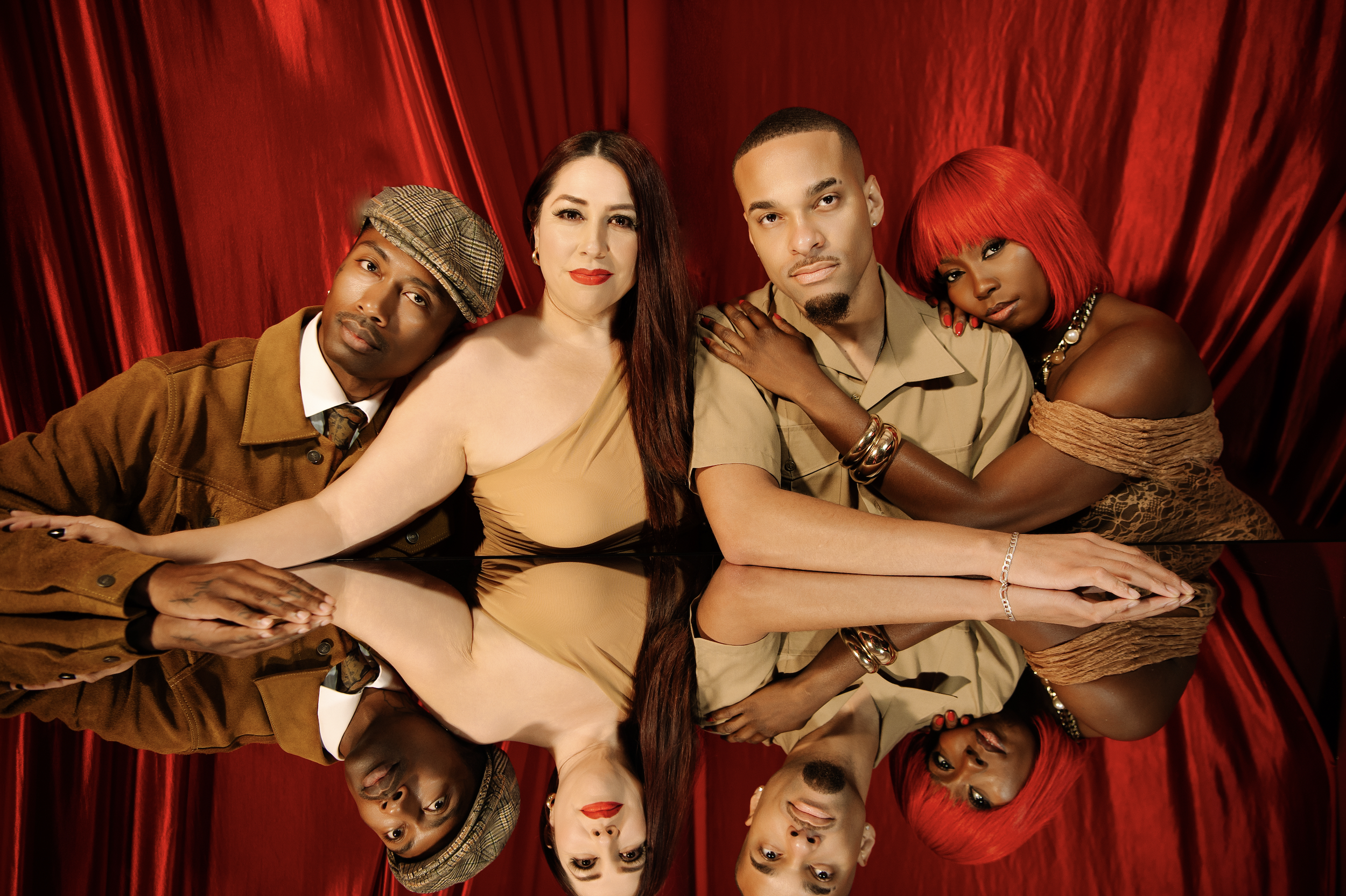
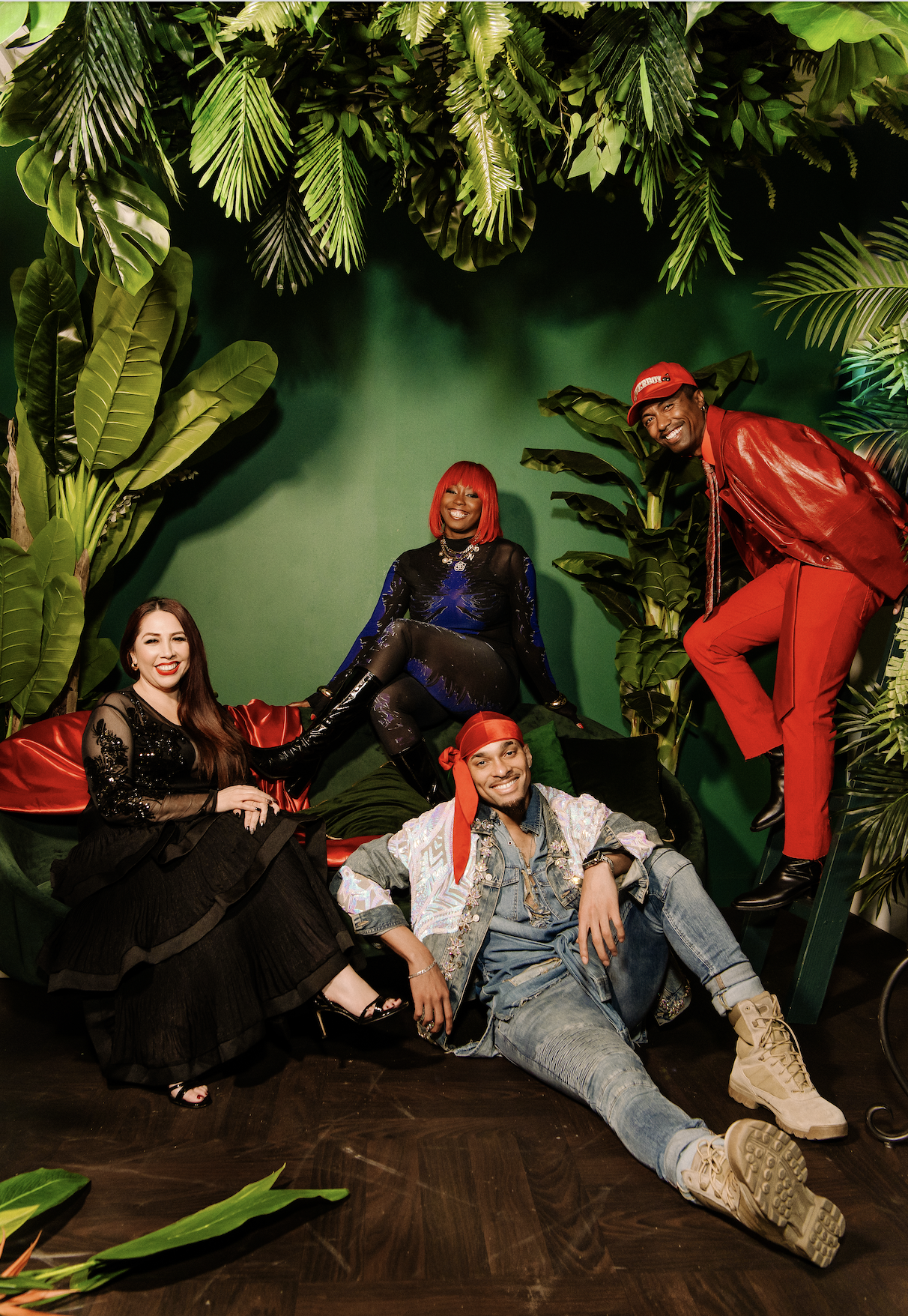
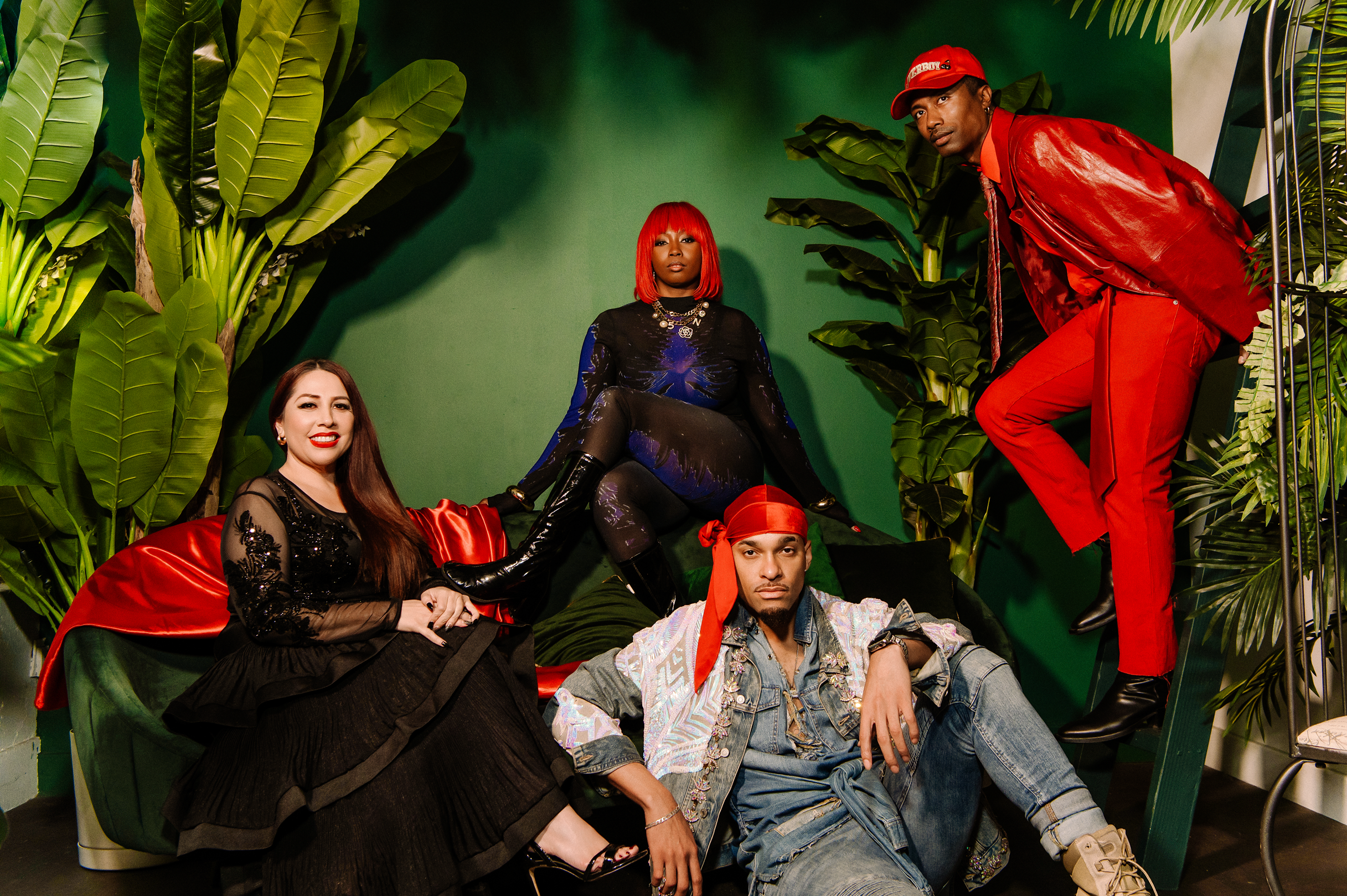
I AM LIVING: A Reflection shines the spotlight on the voices of those personally impacted by the HIV/AIDS epidemic specifically within the Black and Latine LGBTQIA+ community. Jaylen, Packrat, John, and Natalie each share their stories as well as how they continue spread proper education and support. Their stories are rooted in triumph, pain, support, understanding, love, and humanity. It may be hard at times to reflect, but as many elders in my life have said, “Sometimes you gotta look back and acknowledge the past in order to know where you’re going and to appreciate how far you’ve come.”
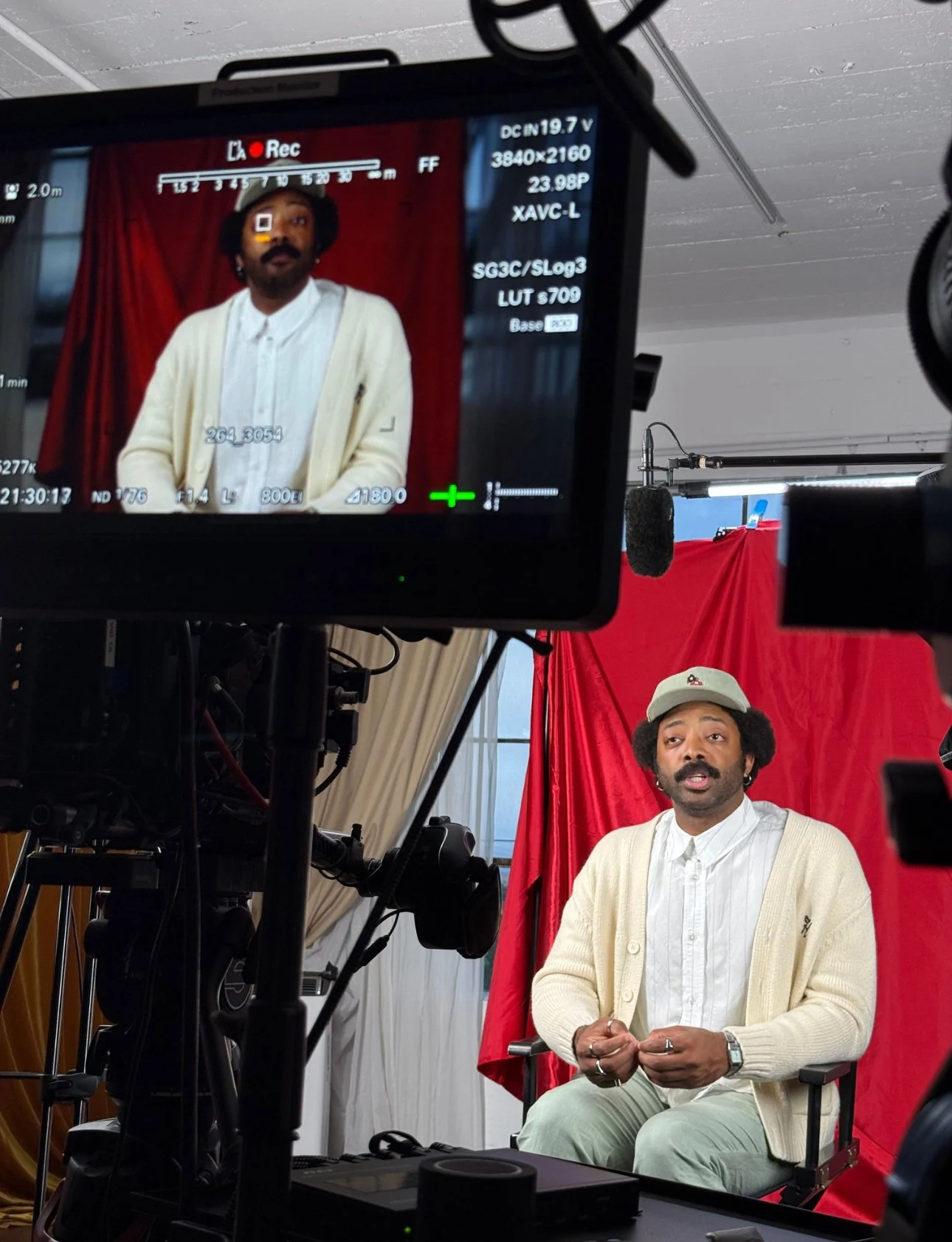
Be sure to watch two exclusive interviews with REACH LA executives Jeremiah Givens, CMCO and Greg Wilson, COO who share their personal journeys as Black men living with HIV through a conversation with themselves. Also visit our Instagram page to view more images from this feature (@REACH_LA).

Photography by Gianna Dorsey
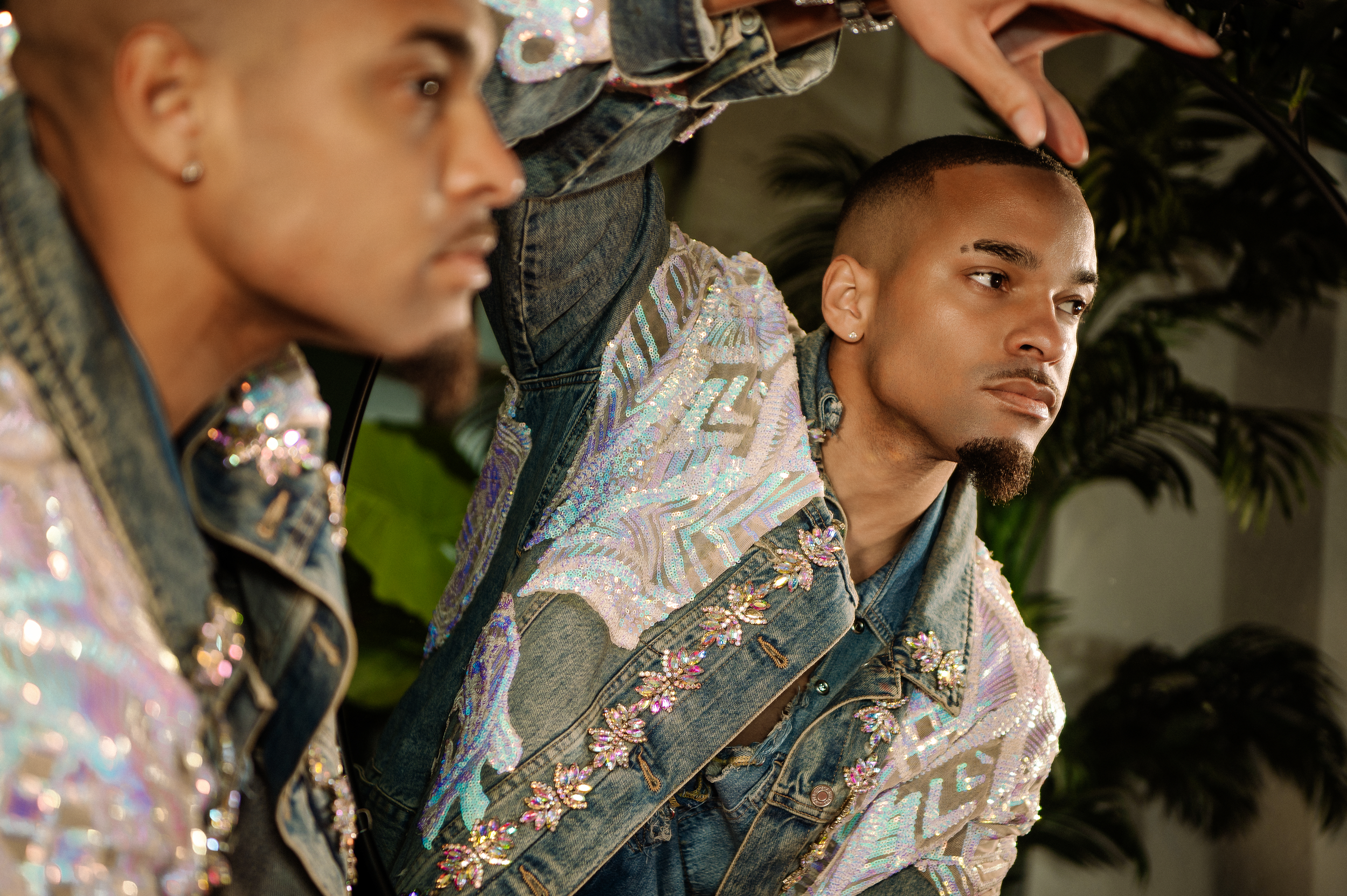
JAYLEN
Jazimar: Hey Jaylen, how are you today?
Jaylen: Hi Jaz, I’m doing well. Excited for the weekend and looking forward to spending time with my biological and chosen families during the holidays.
Jazimar: Nice! Same here! So, as you know World AIDS Day is here. What does World AIDS Day mean to you?
Jaylen: World AIDS Day is an acknowledgement of the intersection of the progress made in combating HIV/AIDS and the ongoing challenges people continue to face due to stigma and lack of adequate support to end HIV. HIV has been framed/marketed differently throughout the years, but it’s impact on people’s lives has remained the same. This day is also a time to mourn friends and loved ones lost to the disease. With the medical advancements we have today, we should not have to lose anyone to HIV. However, because conversations about sexual health are taboo or uncomfortable, HIV continues to go undiagnosed and untreated. HIV shouldn’t just be a sexual health conversation, it is a health concern.
Jazimar: As program manager of Health and Wellness at REACH LA, you and your team are responsible for not only education and testing but for linkage to care as well. Can you share what linkage to care looks like?
Jaylen: Linkage to care is the process of connecting an individual to the medical service they need whether it’s HIV treatment or prevention. Our goal is to ensure that everyone understands how HIV is transmitted, what their risks are, and ways to maintain their health. Often an individual’s status isn’t their priority due to complexities of everyday life. Our role is to support people in navigating the healthcare system and ensure that everyone knows their status.

Jazimar: What is a common theme you see around sexual health education and prevention from clients coming in? Any common misconceptions?
Jaylen: A common theme is a general lack of knowledge even from providers. Many people are not aware of their risk but continue to be sexually active. This can turn what should be a positive and affirming exploration of sexuality into a fearful process. Many people still think HIV is transmitted through saliva or are unaware of U=U (Undetectable = Untransmittable), which leads people living with HIV to be to be stigmatized and ostracized. More education from a less stigmatizing lens would empower folks to advocate for themselves with informed decisions.
Jazimar: Can you clarify the knowledge that some providers lacking specifically?
Jaylen: Some providers don’t have updated knowledge about PrEP, and more broadly, about how to provide culturally competent care for Trans and nonbinary people. Because of their personal biases, religious beliefs, or lack of empathy, they may not care to stay updated on newer medications and harm reduction tools. Some people see DoxyPEP as something that encourages promiscuity as opposed to an option to reduce risk. So they see patients through an antiquated lens. This is why it’s important to have doctors and therapist who understand queer and Trans communities to be able to have honest and nuanced conversations instead of only addressing surface level issues.
Jazimar: What is PrEP? And how would you describe it to someone who may not know what it is?
Jaylen: PrEP is a medication available to anyone who wants to prevent contracting HIV. It’s available as a daily pill or as an injectable option which lasts for two months.
“Everyone has a status. It’s our responsibility to know it [and to] stay educated and updated to make the best-informed decisions that support our health and happiness”
Jazimar: Could you talk a bit about REACH LA Telehealth and is it free?
GET HEALTH INSURANCE TODAY!
OPEN ENROLLMENT PERIOD:
November 1, 2025 - January 15, 2026
Jaylen: REACH LA Telehealth allows clients to receive care remotely. Doctor visits are virtual and lab kits are mailed to support clients’ independence and discretion. Our team supports clients with maintaining their appointments and treatment. Clients test regularly for HIV and STI’s and can receive medication for HIV treatment, PrEP, and Doxy PEP for STI’s. During open enrollment, which is open until January 15, 2026, we offer insurance assistance for uninsured folks so they can access telehealth and for other medical services. Yes, we utilize client’s insurance, but the telehealth program is a free service that REACH LA offers.
Jazimar: Is there anything else you would like to share?
Jaylen: Everyone has a status. It’s our responsibility to know it [and to] stay educated and updated to make the best-informed decisions that support our health and happiness.

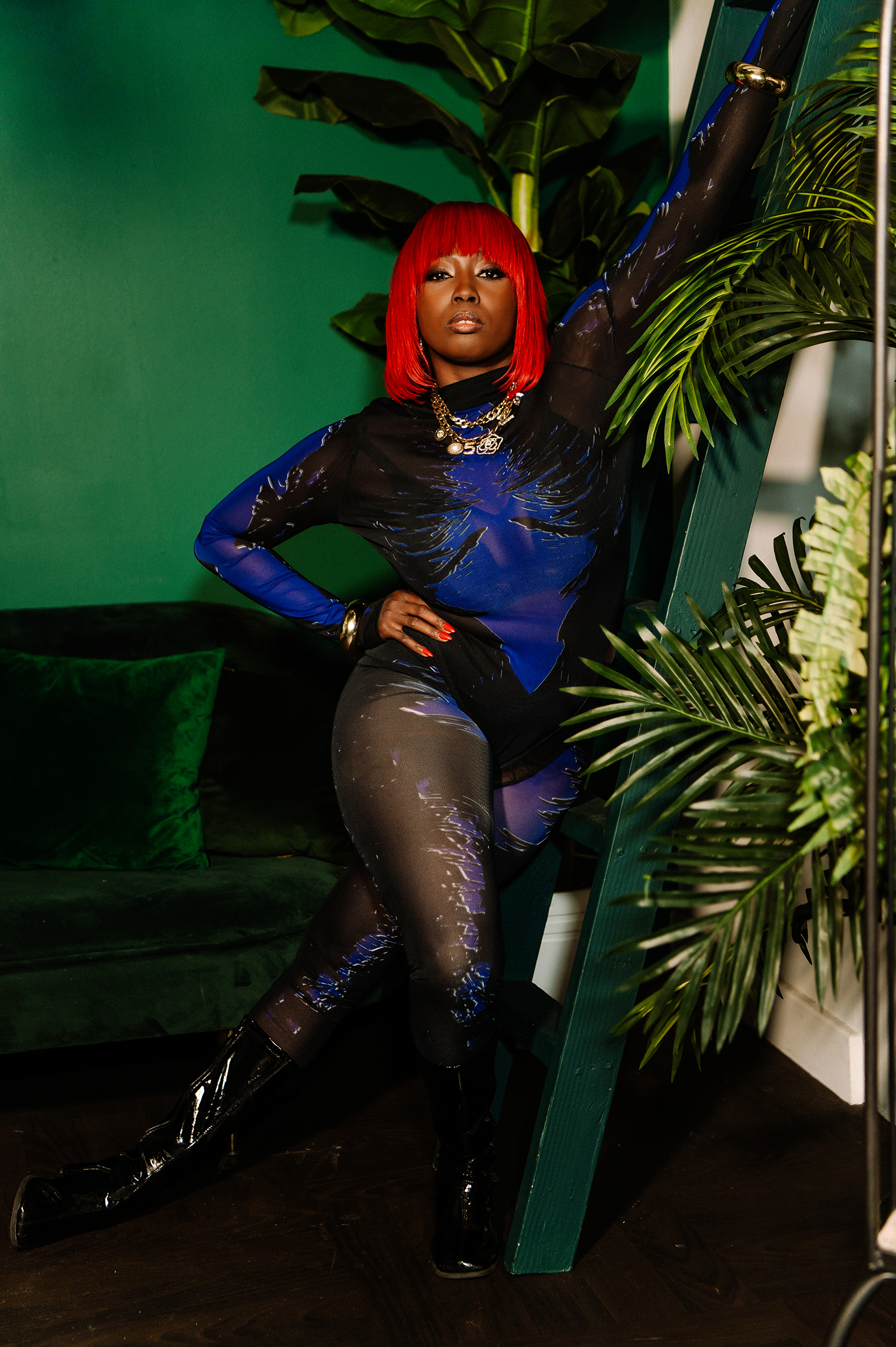
PACKRAT
Jazimar: Hey Packrat! How are you today?
Packrat: I'm good the rain has me a little meh, but I’m grateful.
Jazimar: Well, thank you so much for joining me. so my first question is what does World AIDS Day mean to you?
Packrat: Wow...to me I think it's more about support from my perspective - you know? Since I’m not someone who is HIV positive, it's more about supporting my friends and family that are and whatever they may need. I feel like I do that on a day-to-day basis, but we love a holiday! So yeah, it means a lot to me.
Jazimar: As a Black queer woman and one who is heavily involved in the ballroom scene, how has HIV/AIDS impacted you and your community, both close circles and in the ballroom community as a whole?
Packrat: Well, I feel like the queer community, especially ballroom, they like to get jiggy for a lack of better terminology. [With that, unfortunately] they're not always being as safe and protected. Drugs also run rampant [in the community as well], so that can sometimes contribute to someone contracting the virus. For me, it's moreso how can we educate our community more? And for my friends, a lot of them are like just scared to talk about it. I feel like I have a lot of people in my life that have HIV, but prefer not to either disclose their status or talk about it just because of the fear of the stigma that they might get from the ballroom community.
Jazimar: Given what you just shared, is talking abut sexual health common in the ballroom scene?
Packrat: I think it is now, [but] in the past, no. [In the past,] there was only the Latex Ball that talked about wrapping it up, which was in New York City. Now you can go to any ball and the table got condoms on it, or they have, access to PrEP information, which wasn't always a thing. Even now, they have Narc cans and drug testing kits. I do have to thank a lot of [orgs] like REACH LA and the LGBT Center for providing those things for the ballroom community to put at the venue. Even sometimes showing up themselves and tabling at the venue has a lot to do with the change that I’ve seen over the years.
Packrat: I always tell them just know where you are. Make sure you're taking your medication [and] making sure you are fully disclosing it to your partners, whoever they may be - some of my friends are poly. I always say if you are going to be sexually active with anyone, they should know your status. I also tell them to get therapy because a lot of times it's unprocessed trauma or experiences. I tell them get a journal if you're too scared to go to therapy, but there's so many there's so much access now where you can get free help when it comes to mental [health resources]. I feel like the mental is a lot of the toll that I see on my loved ones -- like a mental block. They feel like their lives are ending and there's no hope for them. Or, you know, let me just live my last days. I'm like, it's not a death sentence anymore. Now there's so much help that you can go and get access to, so many resources where I feel like you can actually live a full, healthy, loving life, you know, to the point where you're undetectable. So, like, yeah, it's just, like, be aware, be safe, and if you need help, ask for it.

Jazimar: Wow! All right. So considering your experiences with loved ones living with HIV, how has your viewpoint of HIV/AIDS changed over time?
Packrat: Oh, well my first knowledge was mainly my uncle. He was the only dancer and queer person in my direct family. He was the one person that my family let me know about, but they kind of kept it a secret because back then it wasn't okay to be out and gay, and if you contracted HIV, [there] was a lot of stigma on it at that time.
Jazimar: Is there anything about your uncle that you like to share about him as a person?
Packrat: Well yeah, from what I've heard, he was an amazing dancer. He liked to travel the world dancing. I really feel like I got a lot of my love and light from him even though he wasn't in my life actively. I feel like his spirit moves through me. They used to call him Uncle Winky, so he also had a really cool nickname [like me too].
Jazimar: Our campaign slogan is “I AM LIVING: A Reflection”. What does living mean to you?
Packrat: I feel like living to me is just like doing your best to accomplish your dreams and living your life to the fullest [for] yourself and not to the standards of anyone else. I definitely think we can move the marker of what life is supposed to be and what you want your life to be especially when it comes to success. To me, success is every soul you touch and not monetary gain, and I feel like once you start looking at successes that way, you realize you're way more successful than you ever thought you could be.
Jazimar: You better say that! Is there anything else you would like to share before we wrap up?
Packrat: Honestly, I'm just grateful to be a part of this project. I feel like a lot of times Black queer women are the ones standing beside, we're the ones marching, we're the ones sitting here trying to create the new policies out here doing the work in politics, out here standing on the forefront lines, but we get getting glassed over and looked over - you know? I'm grateful to continue to be a voice and [to be] able to show up and take up space in the way that I know how.
“…there's so much more access to just services within our community, which wasn't a thing. and I do have to thank a lot of [orgs] like REACH LA and the LGBT Center for providing those things for the ballroom community to put at the venue. Even sometimes showing up themselves and tabling at the venue has a lot to do with the change that I’ve seen over the years.”
Jazimar: Yay go REACH LA! So, how do you support friends that may not be public about their status?

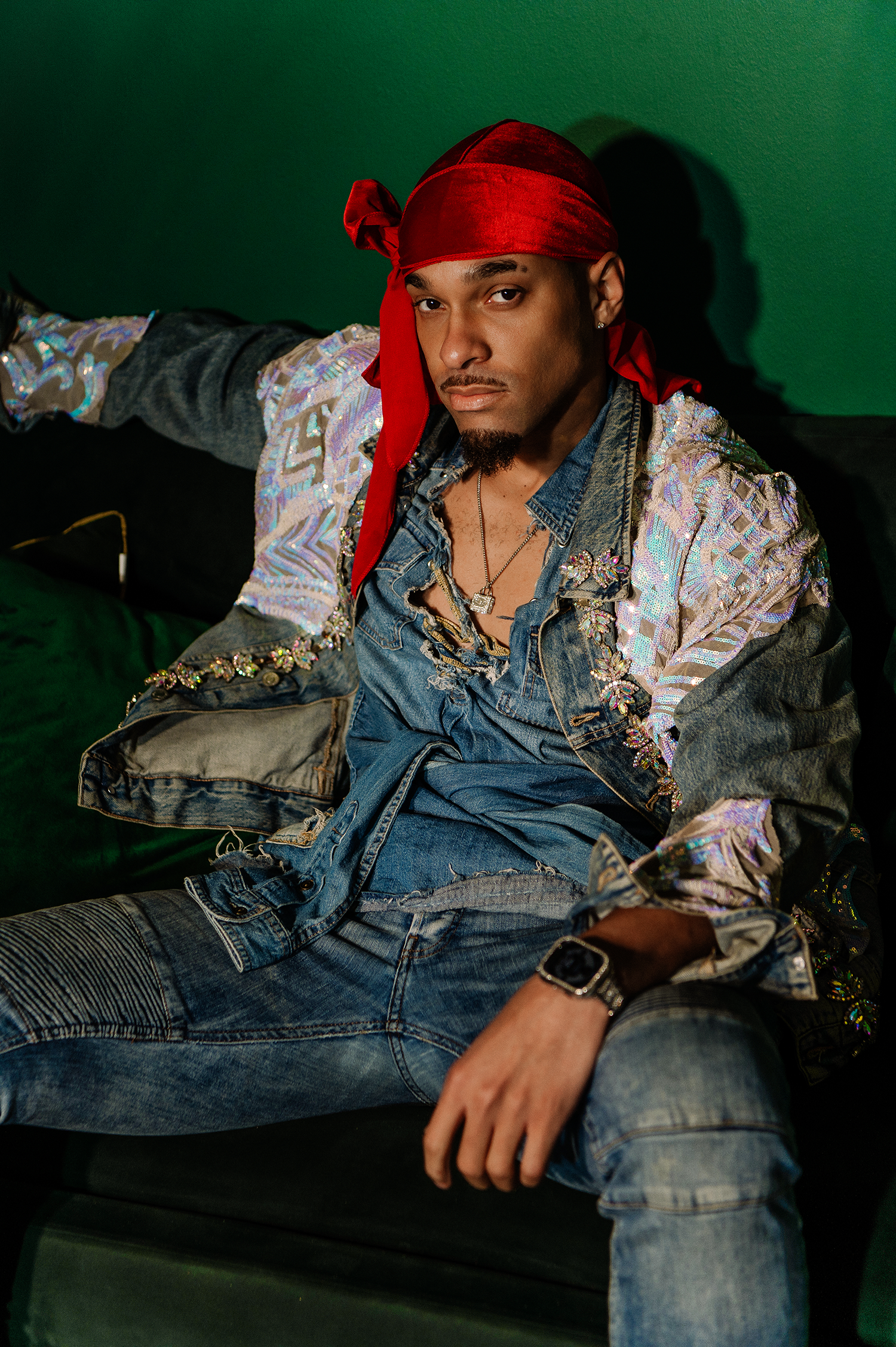
JOHN
Jazimar: Sharing one’s status (positive or negative) is a very vulnerable and personal choice. What has been your journey being open about your status?
John: Speaking from experience, it’s a double-edged sword because you may connect with someone who doesn’t feel comfortable with the reality of dating or even having a casual encounter with someone who is POZ. On the other hand, it has acted as a shield to keep me from being involved with people who do feel or think that way.

Jazimar: What would you like people to know about people LWH (living with HIV)?
John: I can’t speak to everyone's experience, but from my POV, I’m just trying to live my life as healthy and as happy as I can without feeding the stigma or over-saturated emphasis on my status.
Jazimar: As a creative, what is the conversation around sexual health in the queer spaces you are in? From your experience, is it taboo or are people vocal with each other about getting tested and knowing their status?
John: Sexual health is always at the forefront in queer spaces whether people pay attention or not. I’m constantly surrounded by these conversations. I hear as well as encourage the choice to get tested.
“Having the ability to make someone feel comfortable around sexual health or any subject they find difficult is a gift.”
Jazimar: In what ways to do you educate those in your circles about HIV/AIDS and sexual health in general?
John: Being open about my status gives me an advantage of creating a safe and vulnerable environment within whatever space I’m in. It’s really just about communication and delivery. Having the ability to make someone feel comfortable around sexual health or any subject they find difficult is a gift.
Jazimar: What is your advice to those LWH who may find it challenging to navigate their diagnosis?
John: No one knows your journey before HIV or what's to come after life, so live fully.


NATALIE
Jazimar: First of all thank you for taking time to talk with me! I so appreciate it! I primarily know you as a grant writer, but I know you do a lot more. Do you mind sharing some of the other things you do in and for the community?
Natalie: Yeah, so I've managed Ryan White programs as well as previously CDC funded programs for over 25 years. I was the former director of the Los Angeles Family AIDS Network where we focused on preventing mother to child transmission. To support our work, I did a lot of film development for trainings for HIV awareness. I did a bilingual telenovela web series, which is still available on YouTube. I recently worked with REACH LA in collaboration for a new PrEP Novella, so that's coming out. I also have a podcast which is focused on addressing HIV and women because there's not a lot of information on the web for women.
Jazimar: Wow look at you! So, you have been booked and busy for a long time! Thank you for sharing. I'm sure you know that the work that you do both indirectly and directly supports sexual health education as well as the overall prevention of HIV/AIDS, so I would like to say thank you on behalf of REACH LA, myself, and just the community as a whole for all the work that you do. I would like to know if HIV/AIDS has impacted you and/or your community personally, and if so, do you mind sharing how?
Natalie: Yeah, so my personal connection is mostly from coworkers who are living with HIV - long time friends. I remember getting into this field not knowing anything [about HIV/AIDS], and then having some mentors who had been living with HIV since the early 90s who just kind of took me under their wings and wanted me to be involved. So, for me, it's always [been] kind of just living up to their expectations to honor them. Two of them passed away [since then], they were long-term survivors.
“…I really feel like if you're sexually active, regardless of the type of sex that you're having, PrEP should be an option for you.”
Jazimar: Thank you for sharing. I’m sure PrEP has been a top of discussion in your circles over the years. What are your thoughts on PrEP and specific preventative medications like it as it pertains to the Latine community?
Natalie: For PrEP, I think I've been a big advocate. When we rolled out PrEP early on, [the] guidelines were like, “PrEP is for gay men and Transgender women”, and we left out cis women, and so as a result, now we're trying to make up for that and close the gap in information and education. Again, I really feel like if you're sexually active, regardless of the type of sex that you're having, PrEP should be an option for you.

Jazimar: This year has seen a lot of things shake as it pertains to politics and the overall stability of governmental support and funding of programs geared towards marginalized groups. More specifically REACH LA has seen funding cut firsthand from a grant that you helped us get. What has been your experience of seeing your work “undone”? Do you feel like your work has been undone when certain funding is cut in this way?
Natalie: Um, I think you're gonna have your ups and downs, and funding cuts is just part of the world of government funding. So, I don't feel like it's undone. It's trying to pivot and diversify funding. I think those pivots have supported sustainability.
Jazimar: Gotcha! With all things that happen specifically this year with funding, is it motivating for you or are you discouraged? How does it feel emotionally for you?
Natalie: I think for me, it’s a little discouraging, but it's also that fire that we need. We have to continue to advocate for resources and funding - making sure we rebuild, and make sure that HIV and the work that REACH LA is doing is on the agenda.
Jazimar: Cool! Before we go, I want to go back to the collaboration that you're recently did with REACH LA with the PrEP- focused telenovela. Could you tell me a little bit more about the telenovela?

Natalie: We were seeing that there's not a lot of uptake of PrEP in the Latine community, so we wanted to create something that was funny and that was in Spanish for [the] Latine [community]. We brought together some key stakeholders in the Latine community to be part of the development. It was great to hear them say, “We also have to address PrEP and Latina women”. So that's also part of the storyline. There's a lot of sadness in the world, and people are stressed and anxious. We wanted this novela to be funny, and so we took that that approach.
Jazimar: Wow that's exciting! So when does it come out, and where can we watch it?
Natalie: It’s gonna come out on December 12th on YouTube as well as on social media including all the REACH LA social media and YouTube channels.
Jazimar: Our campaign slogan is “I AM LIVING: A Reflection”. What does living mean to you?
Natalie: For me, “living” means waking up and asking myself, “How can I make a difference in this world?” And so, really trying to live a meaningful life that has impact [while] also having fun. You know, fun and exciting, and I think maybe that's my need. I need to be excited. Not everything has to be exciting, but I like to make things exciting!
WORLD AIDS DAY
12.01.25
#StopHIVTogether
WORLD AIDS DAY 12.01.25 #StopHIVTogether
WORLD AIDS DAY 2025 - I AM LIVING: A Reflection
Talent: Jaylen Hibbert, Stephanie “Packrat” Whitfield, John Santos, Natalie Sanchez
Photographer: Gianna Dorsey
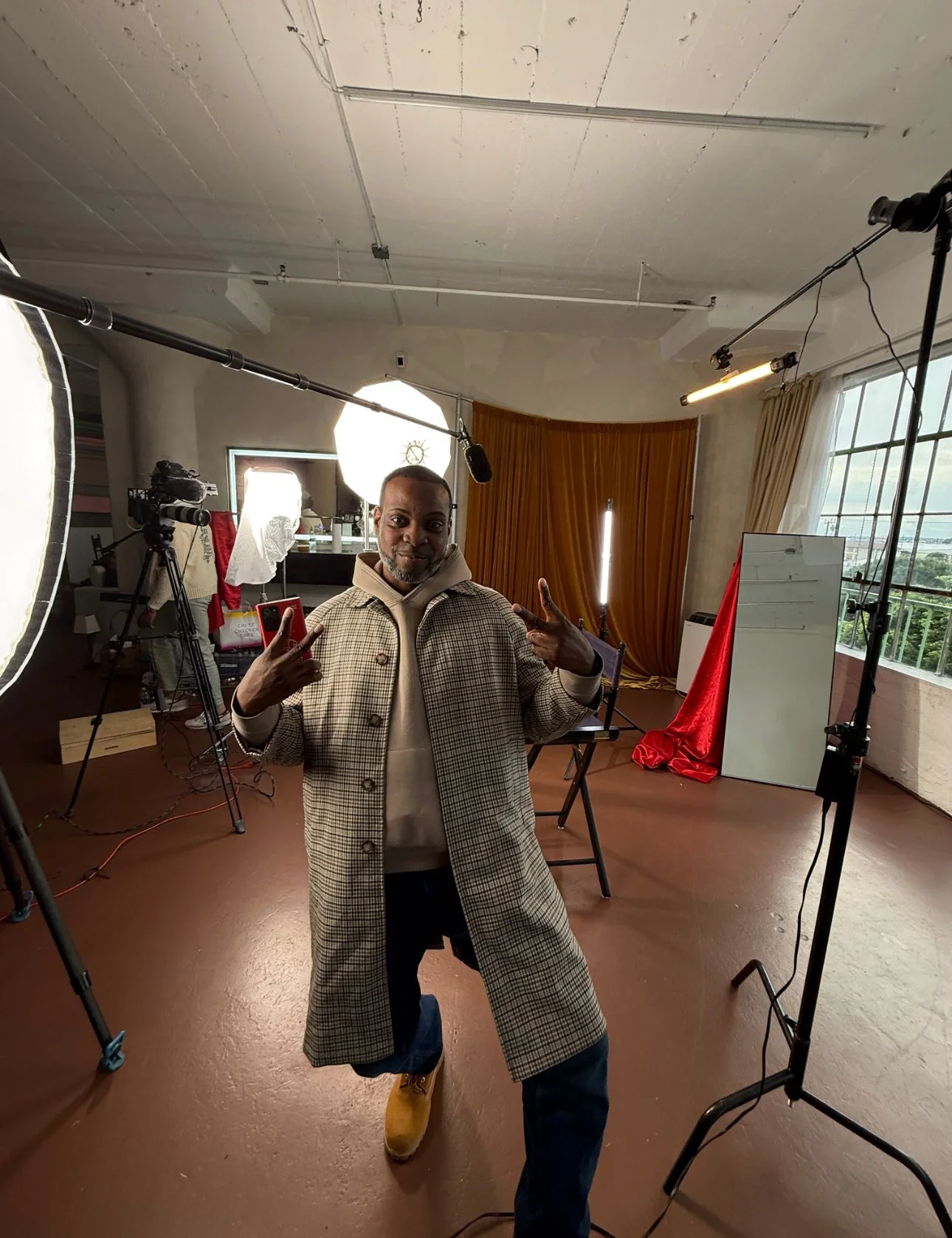
Creative Director/Producer: Jazimar Jones
Executive Producer: Jeremiah Givens
Production Assistants: Ignacio Lopez, Maria Diaz, King Jamarri Amour
I AM LIVING: A Reflection
Featuring Jeremiah Givens and Greg Wilson
WORLD AIDS DAY 2025 GALLERY